
Have a great weekend!


Menthi kura Pappu/Methi dalIngredients:
Method:
- 1 cup - Toor dal, washed & drained
- 1 cup, packed - Fenugreek leaves, washed
- 1/2 cup - Onions, sliced
- 1/2 cup - Tomatoes, chopped
- 2-3 nos - Green chillies (adjust to taste)
- a pinch of turmeric
- 1 Tbsp - thick Tamarind pulp extract or 1/2 tsp store bought paste
- 1/2 Tbsp - Oil
- Salt to taste
- Popu/flavor oil - 1 tsp ghee/oil, 1/2 tsp cumin & mustard seeds, a few curry leaves, 1 dried red chilli, sliced garlic or pinch of asafoetida/ inguva
Note:
- Pressure cook the toor dal with pinch of hing. In another pan, heat the oil and saute sliced onions and green chillies. When the onions soften and turn translucent add chopped tomatoes, turmeric and cook until they turn mushy.
- The washed, drained fenugreek leaves go in next, roughly chop them before adding if needed. Add a little salt and continue to cook until the leaves wilt and lose their rawness, ~ 6-8 mins.
- The dal should be done by now, once the pressure is released add the methi leaves mixture to the dal along with tamarind pulp and cook for another 10-15mins on low simmer. Taste test for salt and add more water if needed to get to a consistency that you like.
- Right before serving, add the popu by toasting the ingredients lightly in ghee and top it over the dal. Serve with hot rice or chapati.
You can cook all the ingredients together in the pressure cooker or, once the methi leaves are wilted in step 2 add the uncooked toor dal to the whole mixture, add required amount of water and continue cooking until done. Use a method thats convenient to you, each might have a very slight variation in taste.


 Green beans are another of my favorites vegetables - quick cooking, delicious and very versatile. I use them when making pulaos, fried rice, pau bhaji, vegetable kurma and many other mixed vegetable recipes. I might have mentioned this before, but I cook by color to ensure that we have enough vegetables in our meal. I try to make sure that there are atleast 2-3 colors on the plate and green beans, of course, are the green component. I usually have them on hand, and a handful is just enough.
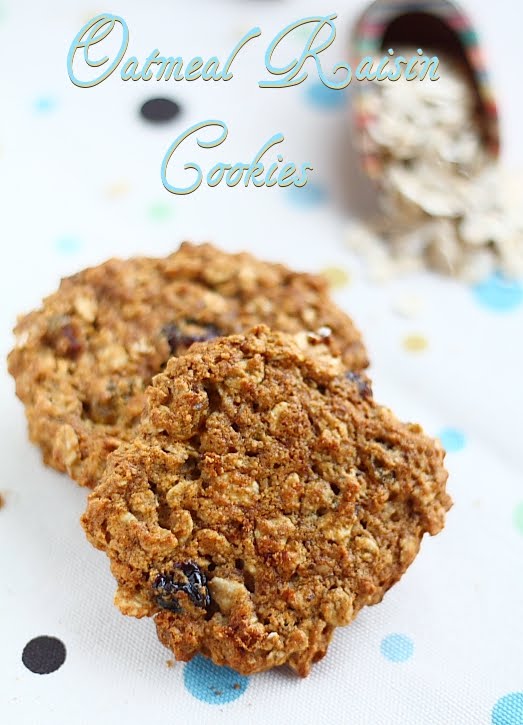 During my Masters, we had a Subway sandwich place inside our campus and it was just outside the building that housed my lab. Needless to say a veggie sandwich was my lunch far more times than I can count. I hardly go there now, but every few months I start craving that sandwich. My sub would have most of the veggies and the dressing combo was always sweet onion & chipotle always. After a few months I did not have to repeat my selection at all, the moment I was spotted walking into the place, they would have my sandwich started. I had a well ordered 'usual' on the menu and recognized at most of lunch spots around campus. I know I should not be proud of it, but well it felt good in some twisted way...:) On the days that I knew I was going to have a long day ahead of me in the lab, I would add a cookie to my order at Subway, either the oatmeal raisin or the white chocolate macadamia nut. These cookies are massive, and a mini meal by themselves. I think this was my first introduction to cookies too, and though not the best ever, they atleast did not put me off cookies either. I've eaten many more cookies since, and also experimented with making them at home. These fabulous chocolate cookies were made last two Christmas's, to share with friends & family and I think it'll continue to become a tradition from now on.
 Here is that halwa I promised you. When I bought a huge chunk of ash gourd/white pumpkin from the store last time, I used up half of it to make this yummy kootu. The other half was saved up to make this halwa on V's request. And since we both lacked a
  Dal/Pappu finds a place in almost all the varied regional cuisines in India. And more often than not, it also ranks high on everyones comfort food ranking. Simmering lentils akin to bread baking, fill the kitchen with an aroma that calms our senses and gets us to a happy place. A long road trip usually ends with a comforting pappu dolloped over warm rice. None of the exotic biryani's or complex stews will ever garner the same effect that my mom's rasams, my frnd Manjari's tomato pappu, and now V's spinach pappu receive.


